
Risks and consequences of economic espionage – an underestimated danger

Economic espionage is not a phenomenon from spy movies or geopolitical shadow zones. It is reality – quiet, systematic, and often unnoticed for a long time. It affects not only large corporations or defense companies, but increasingly medium-sized businesses, specialized traders, and technology-oriented service providers.
Especially where know-how, customer information, or technical solutions represent a competitive advantage, the interest of third parties begins.
What is meant by economic espionage?
Economic espionage refers to the targeted spying on economically relevant information to gain unlawful advantages. This includes, among other things:
- technical developments and product concepts
- supplier and customer lists
- price structures and purchasing strategies
- internal processes, security concepts, and IT infrastructures
The methods range from classic data theft to social engineering to covert digital access. It is not always about spectacular hacker attacks – often simple vulnerabilities and human negligence are enough.

The risks: insidious, but serious
The real risk of industrial espionage does not lie in the individual incident, but in its cumulative effect. Information that has been built up over years can be lost within a short time – and irretrievably so.
Typical consequences are:
- Loss of competitive advantages
- Price pressure from imitators
- Loss of trust among customers and partners
- Sustainable damage to image
- Legal and economic consequences
Particularly critical: Many companies only realize late that they are affected. When identical products suddenly appear or market movements are anticipated with striking precision, the damage has usually already occurred.
Human vulnerabilities as a gateway
Technical security is important – but not sufficient. A significant part of industrial espionage does not start with technology, but with communication:
- Unconsidered statements
- Internal information in the wrong hands
- Uncritical passing on of sensitive data
- Lack of awareness of risks
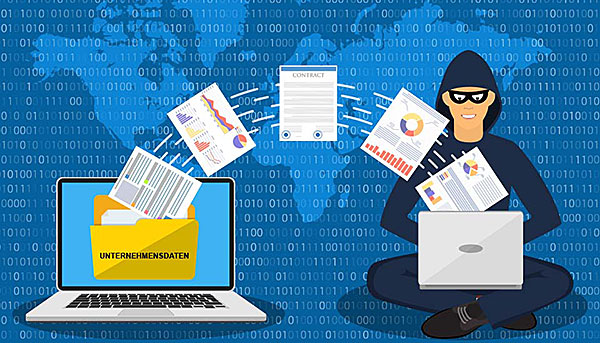
The more complex a company becomes, the more important it is to handle information clearly. Not every piece of information belongs in every email, not every detail in every conversation.
Long-term consequences for companies and markets
Economic espionage harms not only individual companies but also entire markets. Innovations lose value, investments become riskier, trust is undermined.
Those who must constantly fear that developments will be copied or undermined invest more cautiously. This slows progress – and ultimately growth.
This is particularly problematic in industries that rely on expertise, experience, and continuous development.
Prevention instead of reaction
The most effective protection against economic espionage is not a single tool, but a culture of awareness:
- clear responsibilities
- conscious handling of sensitive data
- training of employees
- realistic risk assessment
- technical and organizational protective measures
It's not about distrust, but about professionalism. Those who know the risks can address them – those who ignore them leave control to others.
Conclusion: Knowledge is a value – and needs protection
Economic espionage is not a fringe issue, but a real risk in the modern economy. It particularly affects those who have experience, know-how, and established structures.
Knowledge is capital.
And like any capital, it deserves protection, attention, and responsibility.
Not out of fear – but out of foresight.