GSM eavesdropping devices from the Stone Age
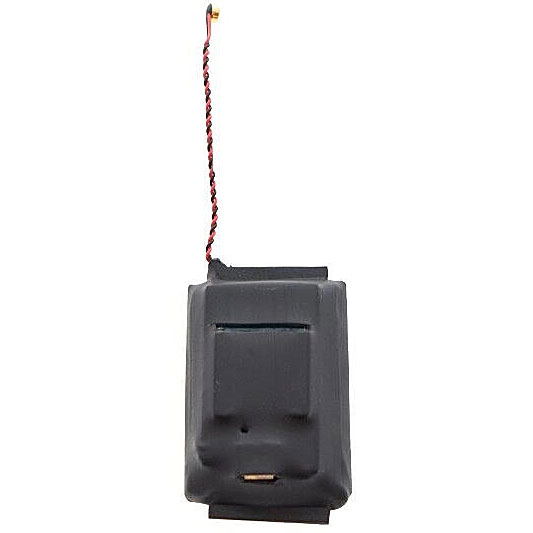
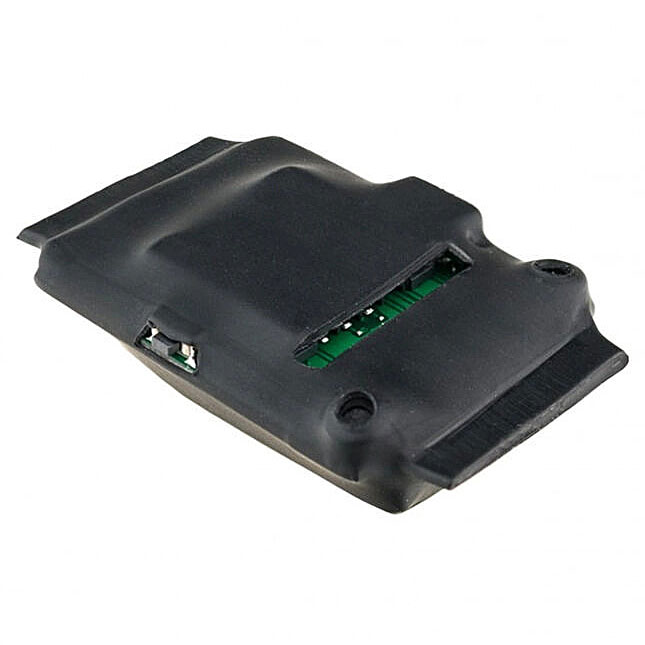
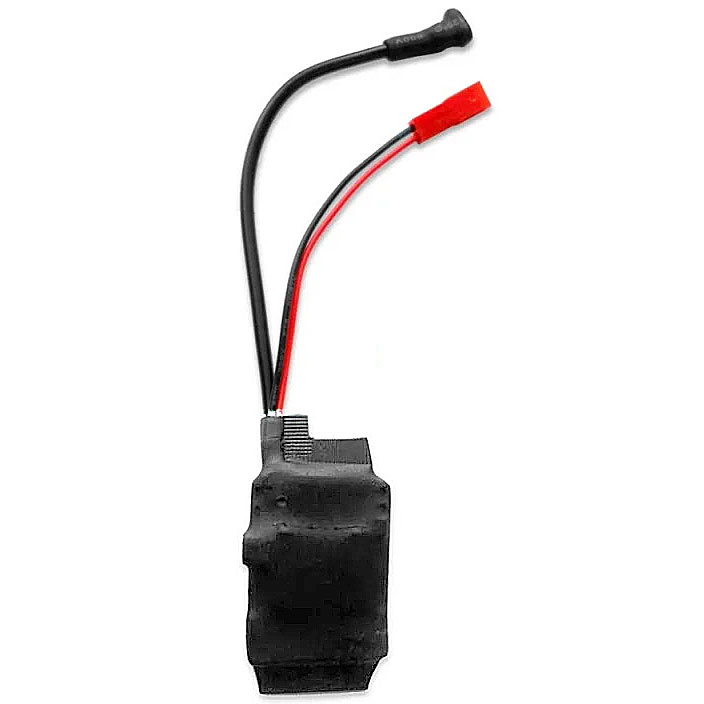
What some providers market today as "modern GSM surveillance electronics" often has shockingly little to do with professional technology. In truth, it is often primitive DIY work: loose GSM components, a cheap battery, quickly soldered together - functional at best by chance.
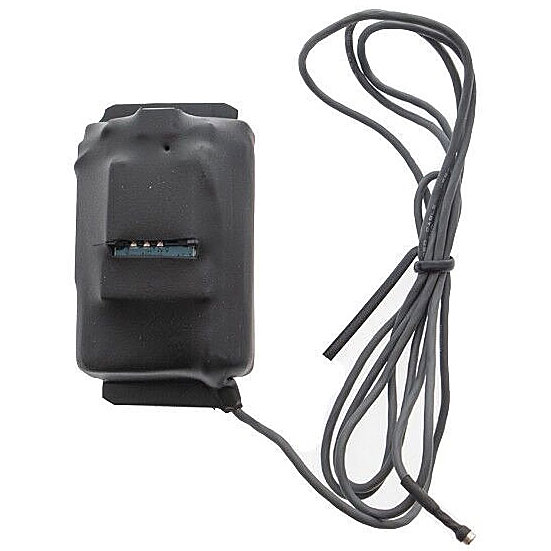
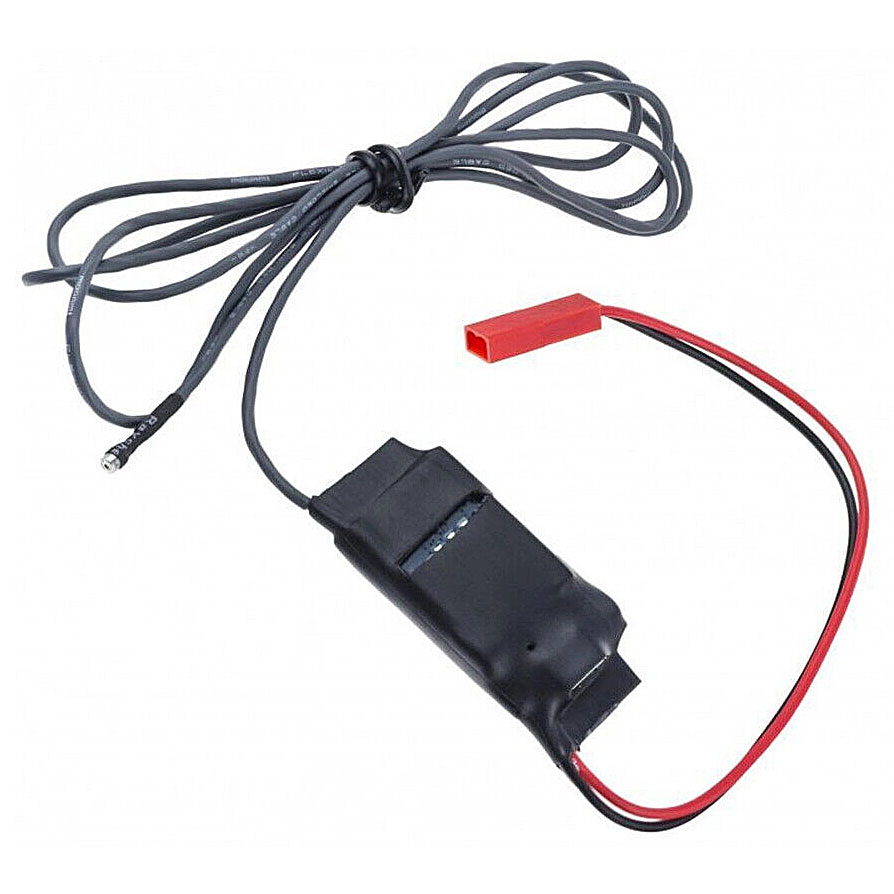
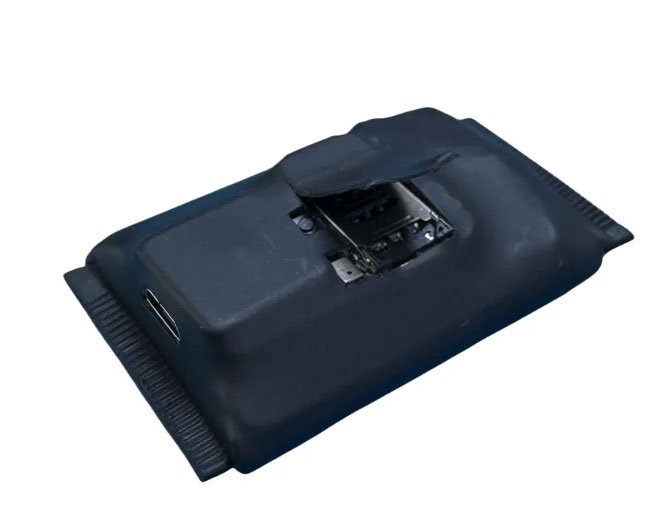
- No casing: Instead of protection, a piece of heat shrink tubing - "cooked" with hot air.
- Open wires: Cables/wires and antenna hang freely and dangle from the device.
- SIM access via razor blade: Roughly cut instead of a clean flap/slot.
- Battery & solder joints: Cheap battery, hasty solder points - without strain relief or insulation.
Instead of a stable, secure casing, the fragile interior is wrapped with heat shrink tubing, poorly shrunk. Cables, antennas, and wires hang unprotected outside - mechanically and electrically a ticking time bomb. Access to the SIM card? Cut out of the tubing with a razor blade - a clear indication of how little thought was given to safety, durability, or service here.
Such constructions are not only amateurish but highly problematic: electrically unsafe, mechanically unstable, and in the worst case even dangerous. Whether they function reliably at all is often a matter of pure luck.
These devices do not come from professional development but from the workshop of hobby electronics enthusiasts whose goal is quick money – at the expense of customers who cannot recognize what is actually being sold to them here.
„Geiz ist geil“ proves to be a particularly dangerous misconception in this area: Those who opt for the cheapest provider risk not only the total loss of their money but also damages, malfunctions, or safety issues that can far exceed the original purchase price.
Below we present a collection of such offers where you should exercise extreme caution.